Bioprinting 101: How Living Tissue Is Printed Layer by Layer
A plain-English tour of how a bioprinter turns cells and gels into living structures, and why it is harder than printing plastic.
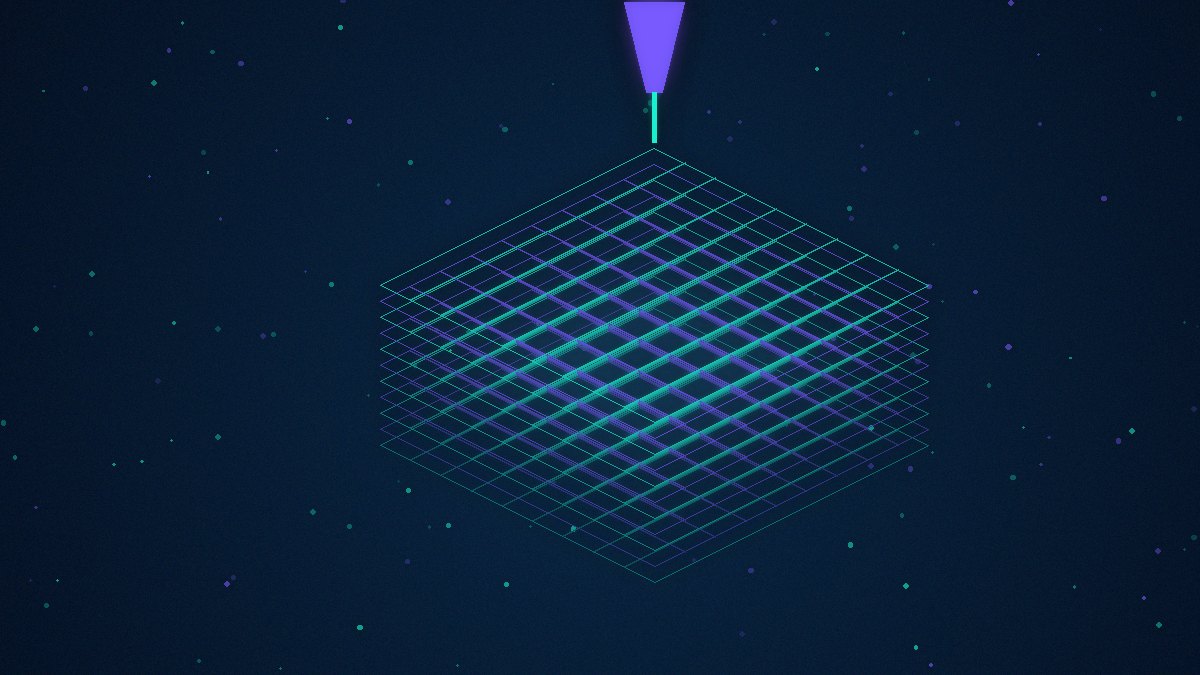
A regular 3D printer melts plastic and stacks it into shapes. A bioprinter does something far stranger: it places living cells, suspended in a supportive gel called a bioink, into precise three-dimensional patterns that can grow into tissue.
The three-step workflow
- Pre-bioprinting: design the part, often from a patient’s CT or MRI scan, and grow enough cells (frequently millions to billions) in the lab.
- Bioprinting: deposit bioink layer by layer using extrusion, inkjet droplets, or light (stereolithography and volumetric printing).
- Post-bioprinting: mature the construct in a bioreactor, where nutrients, oxygen and mechanical cues help cells organize into real tissue.
The main printing methods
- Extrusion: a syringe pushes a continuous filament of bioink. It is the most common approach and handles high cell densities.
- Inkjet / droplet: tiny droplets are fired onto a surface. Fast and cheap, but best for low-viscosity inks.
- Light-based: photosensitive bioinks are cured by patterned light. Volumetric printers can form a whole object in seconds.
Why it’s hard
Cells are fragile. Squeeze them too hard through a nozzle and they die. Print too slowly and they dry out. And once printed, every cell needs to be within a fraction of a millimeter of a nutrient supply, which is why vascularization is the field’s grand challenge.
Think of it less as printing an organ and more as printing the starting conditions for biology to finish the job.
Next up: explore our guide to bioinks, or test yourself in the Fun Zone quiz.
Enjoyed this? Get the next one.
Breakthroughs, tools and weird-but-true science in your inbox. Free, no spam, unsubscribe anytime.