From Desktop 3D Printer to Bioprinter: What Hobbyists Should Know
Yes, you can convert a hobby printer into a paste extruder for learning. Here is what is realistic, and where the safety lines are.
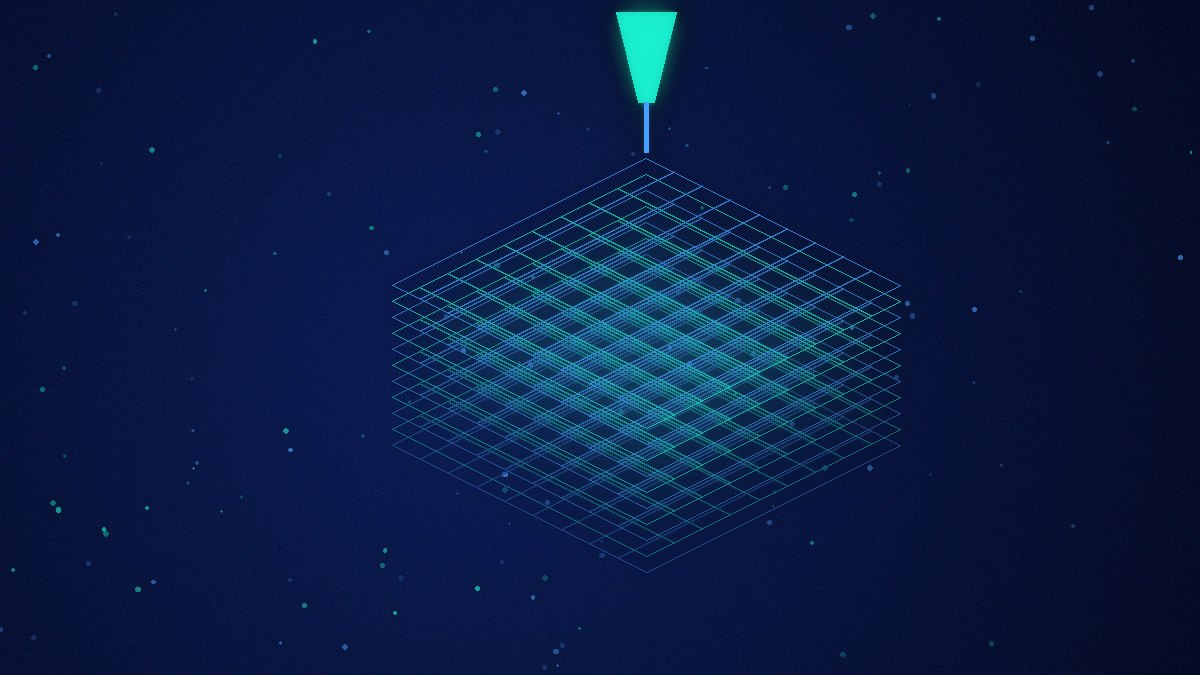
Many university labs started with modified hobby printers. Swapping the plastic hot-end for a syringe pump extruder turns a desktop printer into a machine that can print gels, pastes and (in a proper lab) cell-laden bioinks.
What you need
- A printer with an open firmware (Marlin or Klipper) and a sturdy frame.
- A syringe-based extruder (plenty of open-source designs exist) and blunt dispensing needles.
- Slicer settings for paste: no retraction tricks, slow speeds, wide extrusion widths.
- Practice materials: alginate with calcium chloride, Pluronic F-127, even frosting or silicone.
What’s realistic at home
Printing hydrogels, food pastes and educational scaffolds: yes. Printing living human cells: no. That requires sterile technique, biosafety cabinets, incubators and institutional oversight. Keep home projects cell-free.
Level up
Schools and makerspaces can buy entry-level commercial bioprinters for teaching. And for all things 3D printing, visit our partner 3D Printing Channel.
Enjoyed this? Get the next one.
Breakthroughs, tools and weird-but-true science in your inbox. Free, no spam, unsubscribe anytime.