Cloning vs. Bioprinting: Clearing Up the Sci-Fi Confusion
No, bioprinters can’t print a copy of you. Here is the fun, fact-checked difference between cloning, stem cells and bioprinting.
Movies love a “cloning pod” that spits out a fully grown duplicate human. Real science is weirder and more modest. Let’s sort it out.
Cloning
Reproductive cloning copies an organism’s DNA into an egg cell (somatic cell nuclear transfer) to grow a genetically identical individual. Dolly the sheep (1996) was the famous first cloned mammal. A clone is basically a delayed identical twin: it grows up from scratch and doesn’t share your memories.
Stem cells
Induced pluripotent stem cells (iPSCs), discovered in 2006, let scientists turn adult cells back into a flexible state and then into heart, liver or nerve cells. No egg or embryo required.
Bioprinting
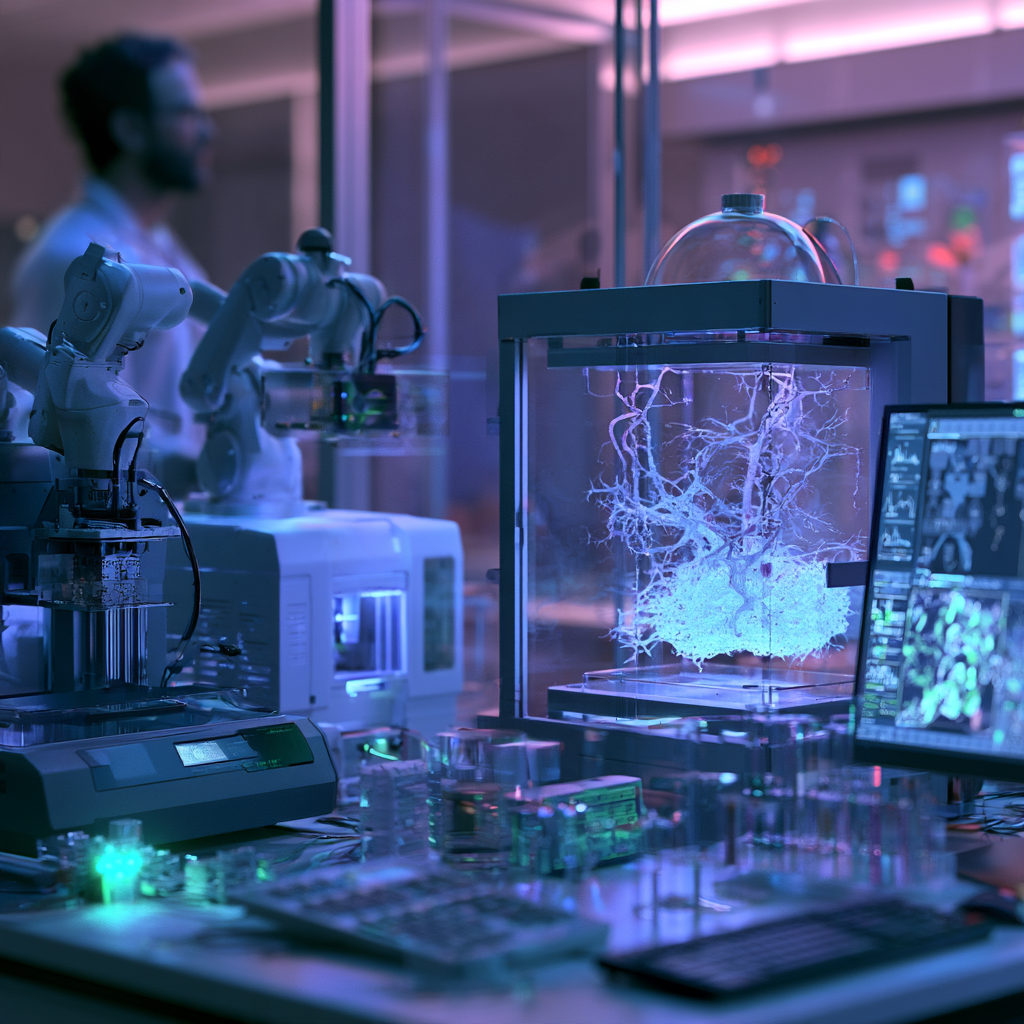
Bioprinting arranges cells (often derived from stem cells) into tissue shapes. It builds parts, not people.
| Cloning | Bioprinting | |
|---|---|---|
| Makes | A whole organism | Tissue and, one day, organs |
| Copies memories? | No | No |
| Main use | Livestock, conservation research | Medicine, drug testing |
Now go have fun: try the Cloning Station in our Fun Zone and build a (totally fictional) creature.
Enjoyed this? Get the next one.
Breakthroughs, tools and weird-but-true science in your inbox. Free, no spam, unsubscribe anytime.