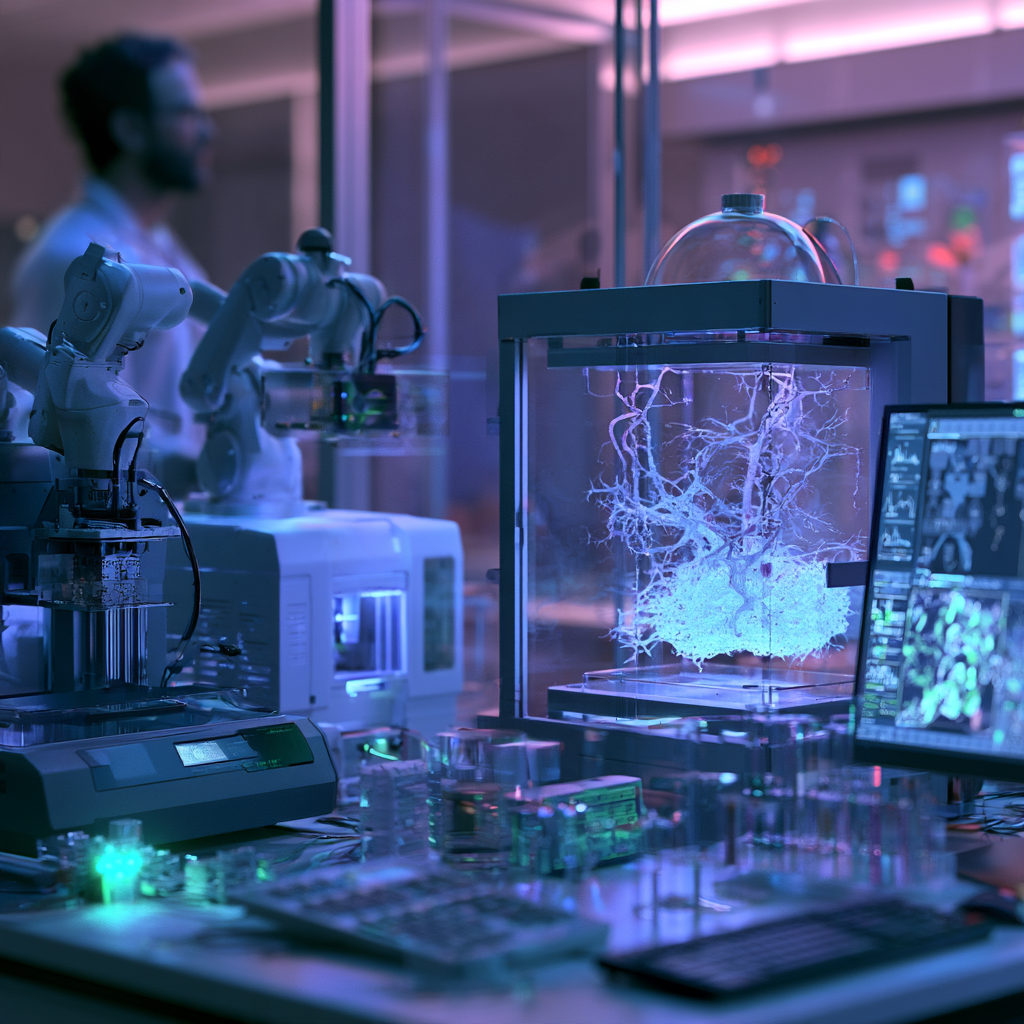
The Kidney Question: How Close Are We to Printed Organs?
Printed organs make headlines every year. Here is an honest timeline of what exists today, what is in trials, and what is still science fiction.

More than 100,000 people are on the US transplant waiting list, and most of them need a kidney. So when Anthony Atala held up a kidney-shaped printed construct on the TED stage in 2011, the world paid attention. It was a prototype, not a working organ, but it set the agenda for a decade.
The organ ladder
Researchers often describe four levels of complexity:
- Flat tissues like skin: the closest to routine clinical use.
- Tubular structures like blood vessels and windpipes: several have been implanted in patients from engineered (not always printed) tissue.
- Hollow organs like the bladder: Atala’s team implanted lab-grown bladders in patients in the early 2000s.
- Solid organs like kidney, liver and heart: the hardest, with dense cells, many cell types and intricate vasculature.
Where things stand
Solid printed organs are not in human trials. What is advancing quickly: printed tissue patches, liver and kidney tissue models for drug testing, and hybrid approaches that combine printing with decellularized donor scaffolds or even gene-edited animal organs.
Our honest estimate
Expect printed tissue patches and simple implants to reach more patients over the next decade. A fully printed, transplantable kidney is likely further out. Anyone quoting a precise year is guessing.
Explore more in Breakthroughs or watch Atala’s talk on our Videos page.
Enjoyed this? Get the next one.
Breakthroughs, tools and weird-but-true science in your inbox. Free, no spam, unsubscribe anytime.