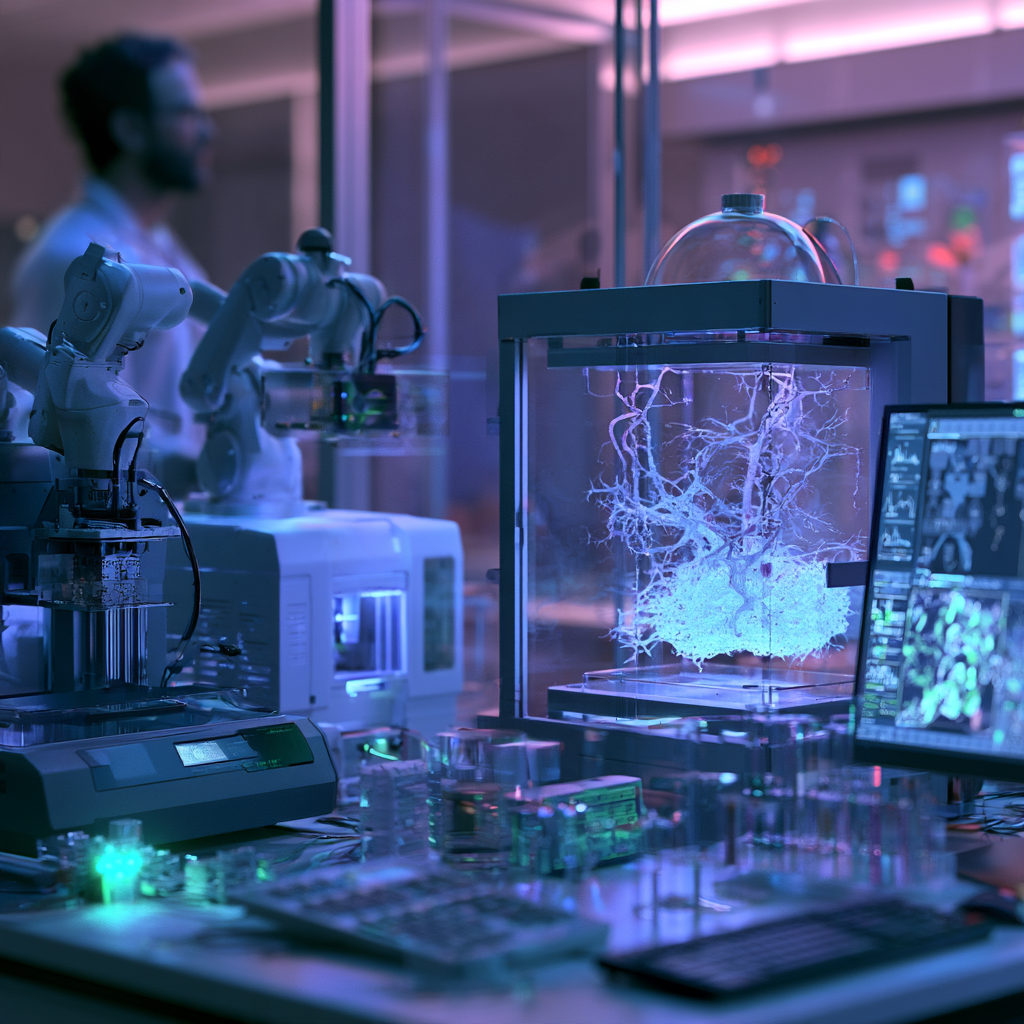
FRESH Printing and the Race to Build a Human Heart
How printing soft collagen inside a gel bath let researchers rebuild heart components, and what still stands between us and a printed heart.

Soft biological materials like collagen collapse under their own weight when printed in open air. In 2019, Adam Feinberg’s lab at Carnegie Mellon University published a solution in Science: print inside a support bath.
What FRESH means
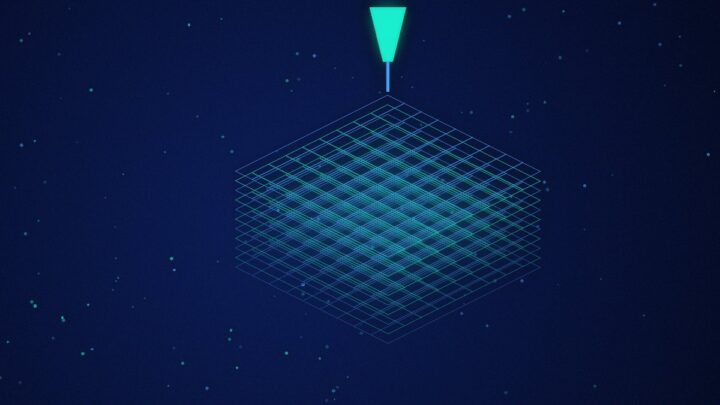
FRESH stands for Freeform Reversible Embedding of Suspended Hydrogels. The printer nozzle moves through a slurry of gelatin microparticles that holds each extruded strand in place like sand holding a sculpture. Afterwards, the bath is gently warmed and melts away, leaving the delicate printed structure behind.
What they built
- Collagen components of the heart, including a tri-leaflet valve and a model of a neonatal-scale heart.
- Printed cardiac tissue that could contract, showing cells were functioning.
- Structures with internal channels, a step toward perfusable tissue.
What’s still missing
A full, transplantable human heart needs billions of heart muscle cells, a dense network of blood vessels down to capillary scale, electrical coordination and years of safety testing. Researchers at Stanford, Harvard’s Wyss Institute and elsewhere are attacking each of these problems, from scaling cell manufacturing to printing vessels.
FRESH didn’t print a heart. It proved the parts list can be printed, which is how every engineering revolution starts.
Watch the Carnegie Mellon team explain FRESH on our Videos page, and read the original study in our Resources.
Enjoyed this? Get the next one.
Breakthroughs, tools and weird-but-true science in your inbox. Free, no spam, unsubscribe anytime.