Organ-on-a-Chip and Printed Tissue Models Are Changing Drug Testing
The first big business for bioprinting isn’t transplants. It’s testing drugs on human tissue before they ever reach a patient.
Around nine in ten drugs that enter clinical trials never reach approval, often because animal results don’t translate to humans. Printed human tissue models and organ-on-a-chip devices aim to catch failures earlier and more cheaply.
How they work
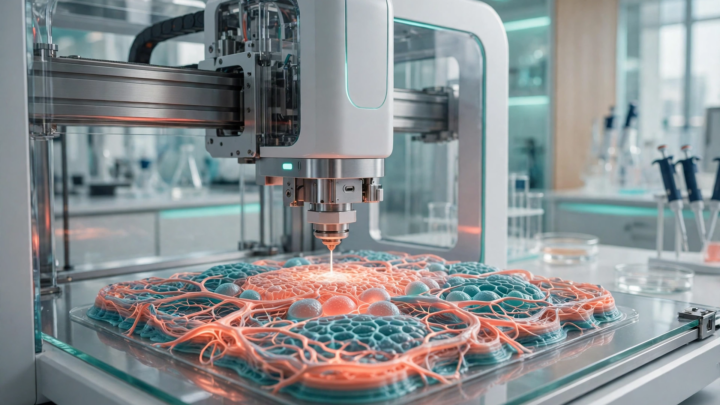
Organ chips are small devices with channels lined by human cells, sometimes with flowing “blood” and mechanical motion like breathing. Printed tissue models build 3D liver, kidney, tumor or skin tissue in multiwell plates for high-throughput testing.
A regulatory tailwind
The FDA Modernization Act 2.0 (2022) removed the US legal requirement that drugs be tested on animals before human trials, opening the door to validated alternatives such as cell-based assays and computer models. Regulators have since signaled further moves to reduce animal testing.
Who’s in the space
- Tool makers selling bioprinters and bioinks to pharma labs.
- Organ-chip companies spun out of university research.
- Contract research organizations adding 3D human tissue assays.
Track the public companies on our Markets page (not financial advice).
Enjoyed this? Get the next one.
Breakthroughs, tools and weird-but-true science in your inbox. Free, no spam, unsubscribe anytime.