
Tag: bioprinted organs
-

Bioprinted Organs, AI Robotics, and the Future of the Human Body The human body is becoming the next frontier of technology. For centuries, medicine has mostly focused on treating damage after it happens. A heart fails. A hip wears out. A nerve is injured. A limb is lost. A disease spreads. Doctors intervene, repair what…
-
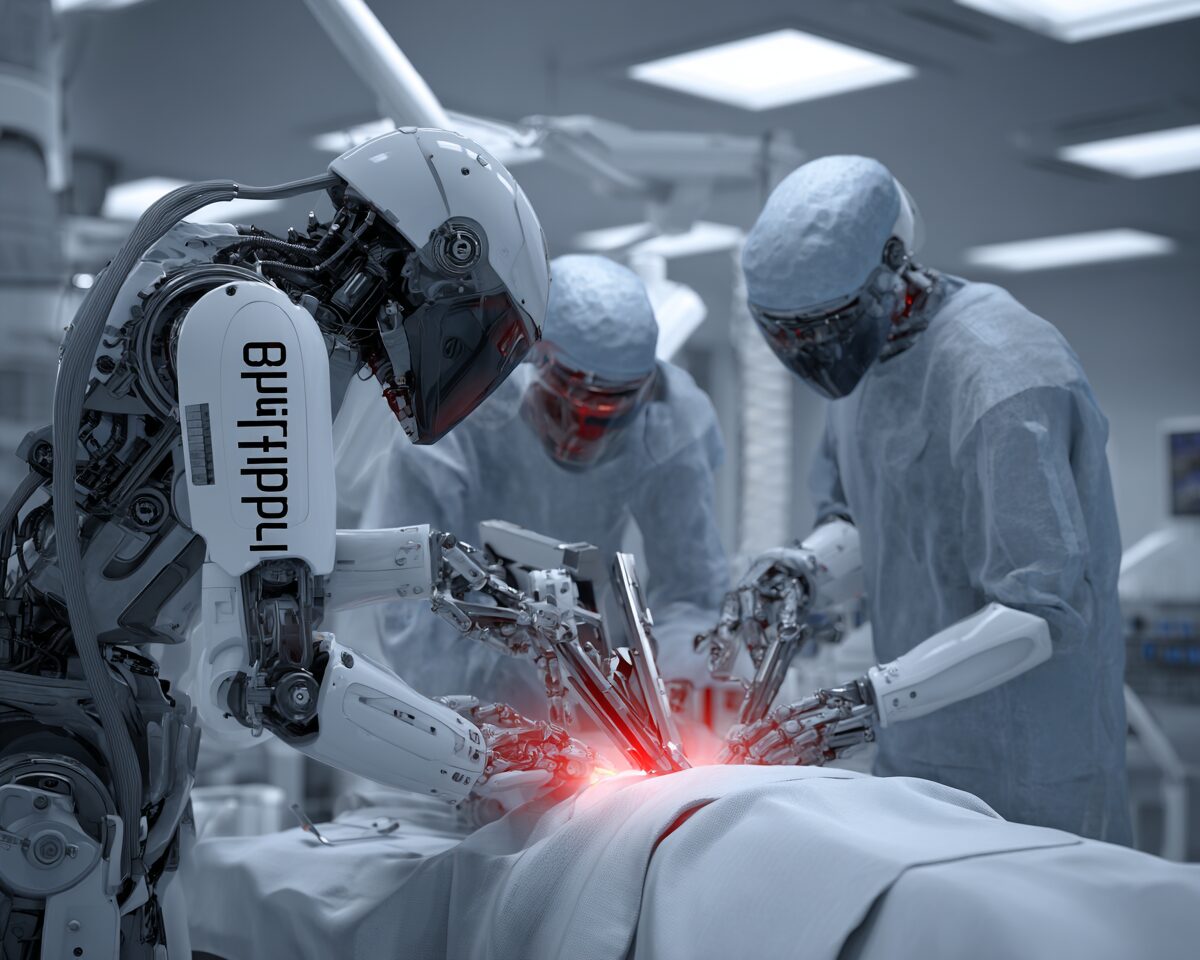
AI + Bioprinting Convergence: The Future of Intelligent Organ Manufacturing The convergence of Artificial Intelligence and Bioprinting is rapidly becoming one of the most exciting frontiers in healthcare, biotechnology, and regenerative medicine. While bioprinting has already demonstrated the ability to create tissue structures, blood vessel networks, and experimental organ models, AI is helping overcome the…
-

4D Bioprinting: Why the Future Isn’t Printing Organs — It’s Growing Them For years, bioprinting has been framed as a manufacturing problem.Print the right shape. Place the right cells. Stack the layers precisely enough, and—eventually—out comes an organ. But biology doesn’t work like a factory. Living tissue is dynamic. It folds, stretches, differentiates, migrates, and…
-
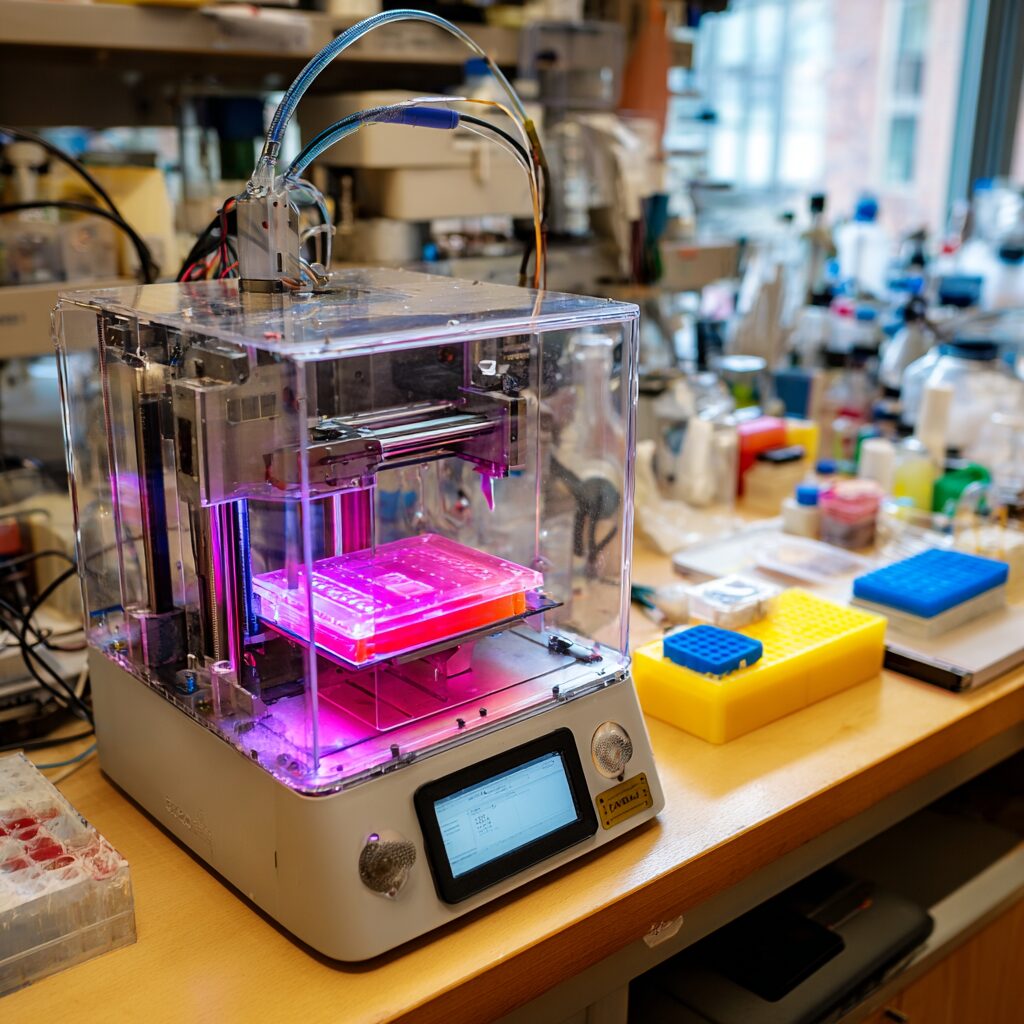
Bioprinting & Tissue Engineering Advances 1. MIT’s New Bioprinting Technique Improves Engineered Tissue Production In a groundbreaking development, researchers at MIT introduced a faster and more precise bioprinting technique that enhances how engineered tissues are fabricated. This method allows for layer-by-layer deposition of cells with increased control, speeding up the process while maintaining structural fidelity.…